

WinCrown · Welcome bonus200 free spins on selected slots
Reviews (9,827)
4.9Rating
Lottery retailers · WA
A 15 deposit casino is one whose cashier takes A$15 as a single payment, and in practice that figure sits right on the band where promotions start: it is often too small for the cashier minimum to matter and just large enough to trip a qualifying deposit. From a remote town you can usually send it by PayID or a bank transfer, provided you have enough signal to open your banking app.
The conditions that decide whether A$15 is worth sending are published in three different places. The cashier lists the minimum per method, the bonus terms carry the qualifying deposit and the maximum bet, and the payments clause carries the minimum withdrawal. That last figure is the one that determines whether A$15 and a small win can leave the account, and at this size it bites harder than anything in the game. Deposits and withdrawals are separate questions — a rail that takes your money in may have no way to send it back.
 Best casinos available in AustraliaUpdated 7 November 2026
WinCrown · Welcome bonus200 free spins on selected slots
Reviews (9,827)
4.9Rating
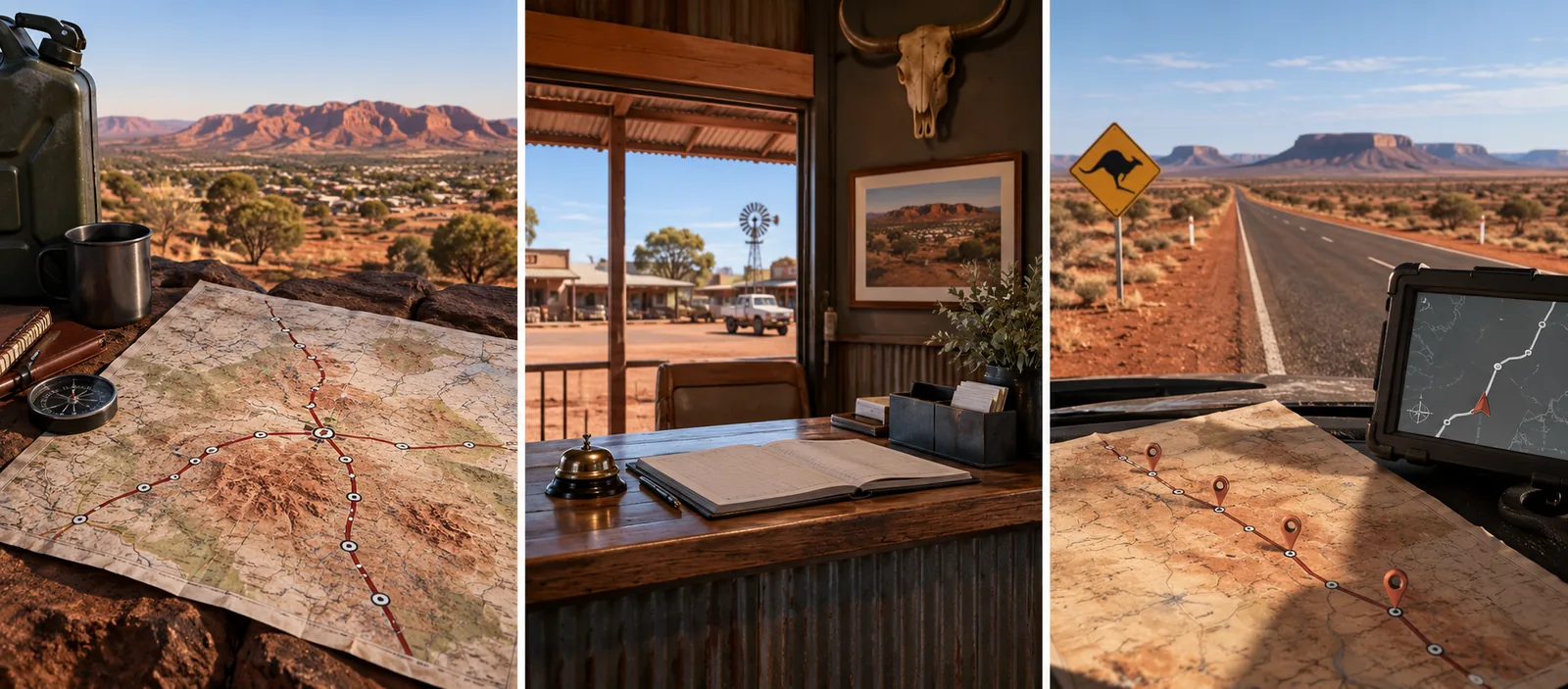
A$15 is an interesting amount because it is not an arbitrary one. Cashier minimums usually sit below it, qualifying deposits for promotions usually sit at or just above it, and withdrawal floors sit all over the place. So the same A$15 can be plain cash at one site and a bonus trigger at the next, and nothing on the home page will tell you which. See also: how to read a top-ten casino list.
| Threshold | Where it is written | What A$15 usually does to it | Why it matters here |
|---|---|---|---|
| Cashier minimum | The deposit page, per method | Clears it comfortably on most rails | Only tells you the form will accept the payment |
| Rail minimum | The method's own row in the cashier | Clears it, except on some bank transfers | A rail minimum above the cashier minimum is common |
| Qualifying deposit | The bonus terms, not the banner | Often sits exactly in this band | Decides whether a promotion attaches, and whether you want it to |
| Minimum withdrawal | The payments clause of the terms | May sit above A$15 entirely | Decides whether the money can ever leave |
Read that bottom row twice, because it is the one that turns a small deposit into a sunk cost. If the withdrawal floor is A$30 and you finish with A$22 of plain cash, that money is yours, it is real, and it cannot go anywhere. The two ways out — deposit more, or play on until the balance climbs — both favour the house, and the second one more than most people expect, since every round carries the edge.
So the subtraction to do before anything else is minimum withdrawal minus A$15. A small or negative gap means A$15 is a genuine trial. A large gap means you are buying entertainment with no exit, and the honest thing is to decide that on purpose rather than discover it later.
Out here A$15 is a real unit. It is a chunk of a fuel tank on a long run, it is a counter meal in some towns, and at the newsagency it is a handful of tickets. That comparison is worth making explicitly, because it is the one comparison a casino page never makes and because the two products are priced in completely different ways.
At the counter, the price is printed on the ticket and on the rack. You hand over A$15, you know exactly what you bought, and the prize structure is published on the back. Nothing is held, nothing converts, nothing expires in seven days, and no clause decides whether your win is withdrawable. The addresses are in our retail directory, with the lottery outlets at lottery retailers, the ticket racks at scratch-card retailers, Keno at Keno venues and the betting counters at TAB locations.
Online, A$15 buys a balance whose value depends on four documents you have to go and find. That is not an argument against it — the lobby is open at two in the morning and the newsagency in Mount Magnet is not — but it is the actual trade. You are swapping a posted price for convenience, and the price is only posted if you look it up.
The retail comparison changes shape across the outback, and it is worth knowing before assuming a venue is an alternative. Western Australia does not allow pokies in pubs or clubs at all, so for a reader in Kalgoorlie, Carnarvon or Esperance the counter options are lottery, scratch cards, Keno and the TAB rather than machines. Clubs and hotels in Alice Springs and Tennant Creek fall under Northern Territory rules; venues in Port Augusta, Whyalla, Coober Pedy and Roxby Downs fall under South Australian rules. What sits in each town is covered in our outback places guide, and how we verify any of it in the venue methodology.
A deposit is a bankroll, not a session length. What sets the session length is the stake and the pace, and both are yours to choose. The arithmetic takes two multiplications: rounds times stake gives turnover, and turnover times the house edge gives the expected cost. A$15 is the amount at risk; the expected cost is much smaller than that, and the gap between those two numbers is the whole reason the stake setting matters.
| How you play it | Example stake | Rounds A$15 covers | Example expected cost at a 4% edge |
|---|---|---|---|
| Lobby minimum spins | A$0.10 | about 150 | About 60 cents per full pass of the balance |
| A common default stake | A$0.50 | about 30 | Same 4%, but 30 rounds is one swing, not a session |
| A stake chasing a feature | A$2.00 | about 7 | Variance decides the outcome, not the edge |
| Fast instant rounds | A$0.20 at a quick pace | about 75, in minutes | Pace multiplies turnover without touching the stake |
| One bought feature round | A$15 in one hit | 1 | The entire deposit on a single outcome |
The useful reading is the first row against the last. Both are A$15. One gives you a hundred and fifty chances to see how the software behaves, a readable session and a small expected cost per pass; the other gives you one outcome and a story. If the point of a A$15 deposit is to learn something about a casino, the lobby minimum is not timidity, it is the only setting that buys information.
The fourth row is the quiet one. Fast formats like Plinko, Chicken Road and Tower Rush run a round in seconds, so a A$15 balance can be turned over several times in the span of a phone call. The stake looks small the whole way through and the turnover is not small at all. Pace is the variable that costs money without ever appearing in the stake box.
Because A$15 often sits exactly on the qualifying band, this is the deposit size where the bonus question actually arises rather than being decided for you. The decision gets easier once the requirement is expressed as turnover per dollar you are holding, instead of as a multiple.
| Deposit | Example match | Balance to play with | If wagering is 35× the bonus | Turnover per dollar held |
|---|---|---|---|---|
| A$15, no bonus | none | A$15 | none | A$0 — the balance is withdrawable now |
| A$15 | 100% | A$30 | A$525 | A$17.50 |
| A$15 | 200% | A$45 | A$1,050 | A$23.30 |
| A$15 | 100% with a A$100 cap on winnings | A$30 | A$525 | A$17.50, and anything over A$100 is removed |
The last column does not improve as the deposit gets smaller, which is the part the headline percentage hides: a small bonus is not an easier bonus, it is the same climb with less rope. Add a maximum bet while bonus funds are live, which caps how quickly you can generate that turnover, and a cap on what converts at the end, and the realistic outcome of a bonus on A$15 is a long session that finishes at zero.
That is not a reason to never claim one. It is a reason to claim one knowing it is a cheap look around rather than a path to a withdrawal, and to check the contribution table first — pokies usually count fully towards turnover while table and live games count partly or not at all, and some instant formats are excluded outright or can void a bonus if you bet on them. The scoring method for sign-up offers is in our free spins field test, and what long-term schemes actually return in loyalty tiers versus VIP programmes.
The top row deserves its own sentence. A$15 of plain cash with no promotion attached is the only version of this deposit that stays withdrawable from the first minute. For a first deposit at an unfamiliar site, that is worth more than any match.
Most payment advice assumes a stable connection and a bank app that opens on demand. On a remote network that assumption is the weak link in the chain, and it changes which rail is actually practical rather than theoretically best.
Two things fall out of that list. The rail that is easiest to use from a town with bad reception is frequently the one with no way back, so the voucher convenience is borrowed against a later problem. And the cheapest inbound rail is rarely an outbound rail either, which means you should pick the deposit method by asking how the money comes home, not by which button loads fastest.
One more cost that only applies out here: if you are on prepaid mobile data, the lobby itself is not free. A live table or a video-heavy lobby will consume data steadily while you sit there, and on a metered connection that is a real addition to the A$15. Lowering the video quality in a live table, or sticking to the plain game lobby, keeps that cost down.
The most expensive thing a bad connection does is not interrupt a game. It is make you pay twice. The sequence is always the same: the deposit form submits, the page hangs, nothing appears in the balance, you assume it failed and send it again. Later both arrive.
Two deposits of A$15 is not a disaster, but it causes a specific problem at the second stage: a duplicate payment can attach a bonus you did not intend to claim, or breach a one-promotion-per-deposit clause, and it complicates the record if you later need to show what you sent and when. The fix is boring and it works.
The same logic applies mid-game. If the connection drops during a round, the authority on what happened is the game history in your account, which lists what the server actually accepted, not what your screen showed. Check it before playing on, not after.
Everything above is about A$15 going in. The question that decides whether the exercise was worth anything is whether it can come out, and three separate things have to line up: a floor low enough, a route that exists for an Australian account, and an address that passes checks.
The floor and the route are both in the payments clause and both readable in a couple of minutes. The address part is the one that catches outback readers specifically, because remote addresses do not look the way an offshore verification team expects: PO boxes and roadside mail bags are often rejected as residential, rural road numbers and lot numbers fail automated checks, and bills on stations and work sites are frequently in somebody else's name. We cover the document side of that in detail on the sign-up offers page, and the short version is to register with your address written exactly as it appears on the document you intend to use, and to sort it out before there is a win attached.
If the purpose of the A$15 is to test the operator rather than to play, then do the test properly and in this order: verify identity first if the account allows it, deposit with no promotion, play a modest number of rounds at the minimum stake, then request a payout while the amount is trivial and time it from request to money landing in your account rather than to a status change. That single round trip tells you more than any comparison page, because it measures the exit instead of the entrance. Our standards for that kind of check are on how we review, and corrections to anything we publish go through the correction form.
There is a sensible use for a figure this size that has nothing to do with bonuses, and it is the reason the amount keeps coming up in searches: A$15 is small enough to be a budget rather than a bankroll. It is an amount you can decide to spend the way you decide to spend a counter meal, and then stop.
Treating it that way requires one decision in advance and one habit afterwards. The decision: A$15 is the whole amount for the session, and the stake is set so the session lasts long enough to be worth sitting down for. The habit: when it is gone, the evening is over, and a second deposit is a new decision made on a different day rather than a continuation of the same one. Everything that goes wrong with small deposits goes wrong at exactly that join.
Over 18 only. Decide the amount and the time before the lobby opens, not during it, and keep both small enough to be irrelevant to the week. Gambling Help Online is free and open at any hour on 1800 858 858; the support options we list are on gambling help, and our wider position on responsible gambling.
One federal law covers this wherever you are in the country. The Interactive Gambling Act 2001 makes online casino games and online pokies prohibited services when they are offered to people in Australia, and the Australian Communications and Media Authority has offshore sites blocked. The Act targets operators rather than players, so for you the practical consequence is narrow and important: no Australian regulator will hear a complaint about a A$15 deposit, and any dispute goes to the operator and, if a verifiable one exists, its foreign licensing body.
That is the same for A$15 as it is for A$1,500, which is why the checks belong before the deposit and not after. For an amount this size, no recourse is worth the hours it would take to pursue, so the only protection that counts is the ten minutes spent reading the payments clause, confirming a company name in the terms and checking that the licence number resolves on the issuing regulator's own register.
Land-based gambling is the opposite case: it is regulated by each state and territory, and the outback crosses several of them, so what is legal and available genuinely changes with the border. That is why the retail comparison earlier in this page is not a rhetorical device — in Western Australia the machines are not an option at all, and the counter products are. Our records of what we have verified and when are in the evidence changelog, and what this guide is and is not funded by is set out in the advertising disclosure.
At most sites, yes — cashier minimums usually sit below it, and PayID or a bank transfer will carry it from an Australian bank. The figure to check is not the deposit minimum but the minimum withdrawal, because that decides whether A$15 and a small win can ever leave the account.
Often, since qualifying deposits frequently sit right in this band. Whether you want it to is a different question: the turnover required per dollar of balance is the same as on a large deposit, and a maximum bet limits how fast you can generate it. Plain cash stays withdrawable from the first minute.
PayID if you have enough signal to open your banking app, a bank transfer if you do not and the minimum allows it, and a prepaid voucher if you have neither. The voucher is the trap worth naming: it works offline but has no return path, so a payout will need a bank transfer in your own name anyway.
Check your bank's transaction list first, since the bank is the authority on whether money left, then the casino's transaction history rather than the balance. Contact support before playing, while the balance is untouched and the situation is simple, and keep both bank reference numbers.
That depends on your stake and the pace, not on the deposit. At a lobby minimum of about ten cents it is on the order of a hundred and fifty rounds; at a default stake it is closer to thirty, and a fast instant-round format can turn the balance over several times in minutes. Set the stake from the amount, not the other way round.
No. Online casino games cannot lawfully be offered to people in Australia, so every operator in this market is offshore and holds no Australian licence. The ACMA enforces against operators and has sites blocked, but it does not adjudicate player disputes, which is why the checks matter more than the recourse at this amount.
Advertisement · 18+
A venue has opening hours and a dress code. Online the pokies, the live roulette and the sport are open at any hour, with a demo mode before you stake anything.
See the current offer